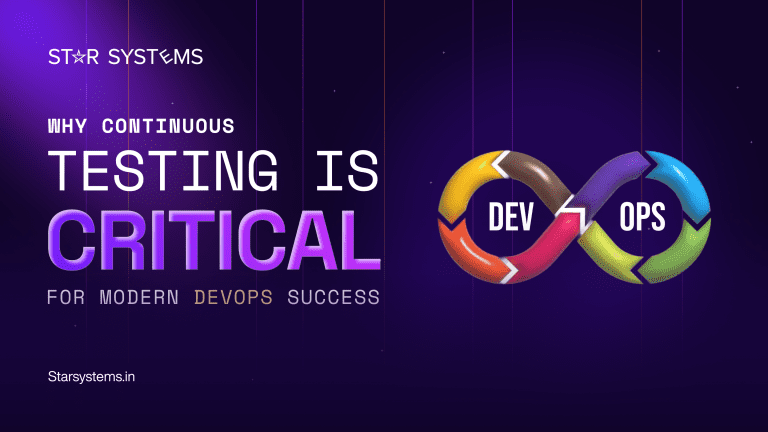
Software teams need to release faster while maintaining quality. Continuous testing solves this by running automated tests throughout development instead of waiting until the end. This approach catches bugs early when they’re easier and cheaper to fix.
Table of Contents
What Is Continuous Testing?
Continuous testing runs automated tests on every code change. Instead of testing in separate phases, tests execute continuously as developers write and modify code. The core principles are simple: test early, test often, and automate everything. Every code commit triggers relevant tests automatically, providing immediate feedback on quality.
Traditional testing happens after development finishes. Continuous testing integrates directly into the development process, making quality checks a constant activity rather than a final step.
Why Continuous Testing Matters in Modern Software Development
Companies now release software multiple times per week or even daily. Manual testing cannot keep up with this pace. Continuous testing automates quality checks, enabling rapid release cycles without sacrificing quality.
Early bug detection reduces risk significantly. Problems caught during development cost far less to fix than bugs discovered in production. Continuous testing identifies issues within minutes, rather than weeks.
As applications grow larger and teams expand, maintaining quality becomes harder. Continuous testing scales automatically, running thousands of tests consistently regardless of application size or team growth.
Continuous Testing in DevOps and CI/CD Pipelines
Continuous testing integrates directly into CI/CD pipelines. Tests run automatically at multiple stages: after code commits, during builds, before deployments, and in production environments.
Shift-left testing moves quality checks earlier in development. Shift-right testing monitors applications in production. Continuous testing supports both approaches, protecting quality throughout the entire software lifecycle.
Pipeline integration points include source control commits, pull request validation, build verification, pre-deployment gates, and post-deployment monitoring.
Key Types of Continuous Tests
Unit Testing:
- Tests individual functions and methods in isolation to verify each code unit works correctly on its own.
- Runs fastest among all test types and catches basic logic errors immediately during development.
- Forms the foundation of test automation and provides quick feedback to developers.
API Testing:
- Verifies communication between different services and ensures APIs handle requests correctly and return expected responses.
- Checks request/response formats, data accuracy, status codes, and validates that services integrate properly.
- Essential for microservices architectures where multiple services need to communicate reliably.
Integration Testing:
- Confirms that different components work together correctly when combined and validates data flows between modules.
- Tests database connections, service interactions, and ensures components integrate smoothly without conflicts.
- Catches issues that unit tests miss by testing how separate parts interact in realistic scenarios.
UI and End-to-End Testing:
- Simulates real user workflows by clicking buttons, filling forms, and navigating through the application.
- Tests complete user journeys from login to checkout, ensuring the entire application works as users expect.
- Validates frontend and backend integration by testing the full stack from the user interface to the database.
Performance Testing:
- Measures application speed, response times, and resource usage under different conditions and traffic levels.
- Test system behavior under load to ensure the application handles expected user volumes without slowdowns.
- Identifies bottlenecks, memory leaks, and performance issues before they affect production users.
Security Testing:
- Scans for vulnerabilities, weaknesses, and potential security threats that could expose sensitive data.
- Tests authentication, authorization, and encryption, and validates that only authorized users have access to protected resources.
- Protects against common security threats like SQL injection, cross-site scripting, and unauthorized access attempts.
Automation as the Backbone of Continuous Testing
Automation makes continuous testing possible. Manual testing cannot match the speed and frequency required for modern development cycles. Test automation frameworks provide the structure for writing and executing tests. Popular frameworks include Selenium for web testing, JUnit for Java, PyTest for Python, and Cypress for modern web applications. Test data management creates and maintains realistic datasets for testing. Proper test data represents production scenarios without exposing sensitive information. Automated triggers start tests at the right moments without manual intervention. Code commits, merges, and deployments all trigger appropriate test suites automatically.Tools Commonly Used for Continuous Testing
Open-Source Tools
- Jenkins: A Test orchestration and CI/CD automation platform that schedules and runs tests automatically across your pipeline.
- Selenium: A Browser automation tool for web testing that simulates user interactions across different browsers and platforms.
- JUnit: Java unit testing framework that provides annotations and assertions for writing and running automated Java tests.
- PyTest: Python testing framework that offers simple syntax and powerful features for writing Python test cases efficiently.
- Cypress: Modern web application testing tool with fast execution, real-time reloading, and excellent debugging capabilities.
- Postman: API testing and validation tool that lets you create, test, and document APIs with automated test collections.
Commercial Platforms
- Sauce Labs: Cloud-based browser and mobile testing platform providing access to thousands of browser and device combinations
- Browser Stack: A cross-browser testing platform that offers instant access to real devices and browsers for testing compatibility
- Test Complete: Automated UI testing tool with record-and-playback features and support for desktop, web, and mobile applications
- Tricentis: Enterprise testing platform offering AI-powered test automation, continuous testing, and risk-based testing approaches
- Katalon Studio: All-in-one test automation solution combining web, API, mobile, and desktop testing in a single platform
Tool Selection Criteria
- Compatibility with your technology stack, including programming languages, frameworks, and existing development tools you already use.
- Team expertise and learning curve to ensure your team can adopt the tool quickly without extensive training requirements.
- Integration with existing CI/CD tools like Jenkins, GitLab, or Azure DevOps for seamless workflow automation.
- Cost versus features provided to balance budget constraints with the testing capabilities and scalability you actually need.
- Scalability and performance requirements to handle growing test suites and parallel execution as your application expands.
- Support and community availability for troubleshooting issues, finding documentation, and getting help when problems arise.
Best Practices for Implementing Continuous Testing
Test Prioritization: Run critical tests first to get fast feedback on essential features. Execute comprehensive test suites less frequently, such as nightly or before major releases.
Parallel Test Execution: Run multiple tests simultaneously across different environments. This reduces total testing time from hours to minutes, enabling faster feedback cycles.
Flaky Test Management: Fix or remove unreliable tests immediately. Tests that pass sometimes and fail other times destroy confidence in your testing suite and waste developer time.
Challenges in Continuous Testing and How to Overcome Them
Tool Complexity: Testing tools offer many features that can overwhelm teams. Solution: Start with basic functionality and add complexity gradually. Focus on reliability before sophistication.
Maintenance Overhead: Tests break when applications change, requiring constant updates. Solution: Write simple, maintainable tests using design patterns like page objects. Invest time in test quality to reduce future maintenance.
Skill Gaps: Developers lack testing expertise, while testers may not know programming. Solution: Provide training for both roles. Pair developers with testers or hire people comfortable with both disciplines.
Test Environment Management: Maintaining stable test environments that mirror production. Solution: Use containerization and infrastructure as code to create consistent environments.
Test Data Issues: Creating realistic test data without using production data. Solution: Implement test data generation tools and maintain separate test datasets.
Metrics That Measure Continuous Testing Success
Test Coverage: Measures the percentage of code executed during testing. Focus on covering critical business logic rather than chasing 100% coverage.
Defect Leakage: Counts bugs that escape to production despite testing efforts. Lower numbers indicate more effective testing strategies.
Mean Time to Detect Defects: shows how quickly tests identify new bugs. Faster detection means cheaper fixes and better code quality.
Test Execution Time: Tracks how long test suites take to run. Faster tests provide quicker feedback and enable more frequent testing.
Test Stability Rate: Measures how often tests produce consistent results. Higher stability means more reliable quality signals.
Continuous Testing Use Cases Across Industries
SaaS Platforms: Deploy multiple times daily using continuous testing to validate each release. Feature flags and canary deployments allow safe production testing.
FinTech and Banking: Maintain strict security and compliance standards while innovating quickly. Continuous testing ensures regulatory requirements are met with every change.
E-commerce Applications: Handle traffic spikes during sales and holidays through continuous performance testing. Load testing prevents costly downtime during peak revenue periods.
Future Trends in Continuous Testing
AI-Driven Test Automation: Artificial intelligence analyzes code changes and recommends which tests to run. AI tools generate test cases automatically and predict where bugs are likely to occur.
Predictive Quality Analytics: Machine learning examines historical data to forecast quality issues before they happen. These insights help teams focus testing efforts on the riskiest areas.
Autonomous Testing Systems: Self-healing tests automatically adapt when applications change. These systems update test scripts automatically, reducing maintenance overhead significantly.
Conclusion
Continuous testing is essential for modern software development. It enables fast releases, reduces risk, and maintains quality at scale. Teams that implement continuous testing ship better software faster than competitors using traditional approaches. At Star Systems, our DevOps consulting services help teams apply continuous testing effectively across their delivery pipelines. Start small by automating your most critical tests and integrating them into your development workflow. Expand your testing coverage gradually as your team builds expertise and confidence in the process.
AI SUMMARY






Shivakkumar Kuppananan is a technology-focused content contributor at Star Systems, with a strong interest in enterprise IT, digital transformation, cloud modernization, and emerging technologies. He writes insightful, easy-to-understand articles that help businesses, decision-makers, and tech leaders navigate complex IT challenges with confidence. His content bridges the gap between technical depth and business value, making innovation more accessible and actionable.
Latest Blogs