What Is Cloud Cost Optimization?
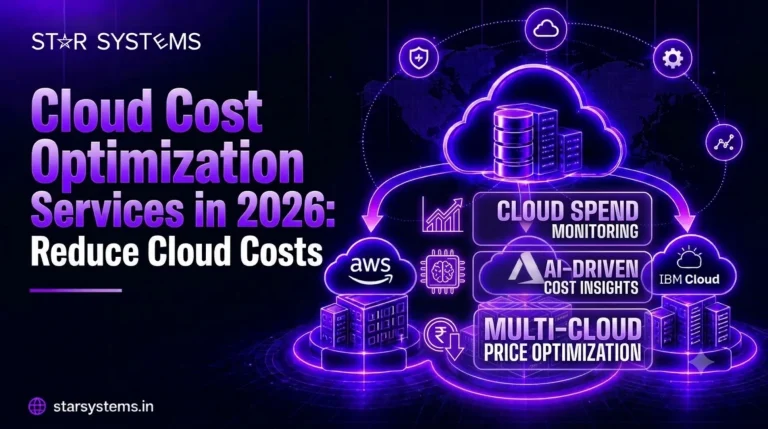
Cloud cost optimization is the practice of getting the most value from every dollar you spend on cloud services. It means matching your resources to what your applications actually need, removing waste, and choosing the most cost-effective pricing options, all without hurting performance or security.
It is not a one-time clean-up. It is an ongoing habit of watching usage, spotting waste, and making small corrections before they turn into big bills. Cloud cost optimization services support this by combining tools, expertise, and a clear process.
Why Cloud Costs Increase
Most cloud overspending comes from a handful of common causes. Understanding them is the first step toward better cloud cost management.
- Over-provisioned resources: Servers and databases sized for peak demand that rarely happens.
- Idle and forgotten resources: Unused virtual machines, old snapshots, and unattached storage that quietly keep billing.
- Always-on test environments: Development and testing systems running 24/7 when they are only used during working hours.
- Lift-and-shift migrations: Moving applications as they are, without adapting them to the cloud, often means paying for capacity you do not need. Careful cloud migration services help avoid this from the start.
- Data transfer charges: Moving data between regions, providers, or out to the internet adds costs that are easy to miss.
- No ownership or tagging: When nobody owns a resource, nobody notices when it is wasted.
Without proper cloud spending management, these issues combine and grow quietly. Visibility is the foundation of control.
Best Strategies to Reduce Cloud Costs
These cloud cost optimization strategies work for businesses of almost any size.
- Get full visibility. Use cost dashboards and consistent tagging so you know who is spending what, and why.
- Right-size your resources. Review actual CPU and memory use, then move to smaller instances where it is safe.
- Remove idle resources. Delete unused volumes, old snapshots, and servers that no one needs.
- Use commitment discounts. For steady workloads, reserved capacity or savings plans can cost much less than on-demand pricing.
- Use spot capacity where suitable. Fault-tolerant jobs such as batch processing can run on lower-cost spare capacity.
- Automate scaling and scheduling. Scale up only when demand rises, and switch off non-production systems outside working hours.
- Optimize storage. Move rarely used data to cheaper storage tiers and set clear retention rules.
- Set budgets and alerts. Get notified early when spending moves off track, instead of finding out on invoice day.
A Simple 30-Day Plan to Get Started
You do not need a big project to see results. Here is a practical first month:
- Week 1: Pull your latest bills, tag resources by team and project, and find the top five cost drivers.
- Week 2: Delete clearly unused resources and switch off non-production systems outside working hours.
- Week 3: Right-size the most expensive instances and databases, starting with the safest candidates.
- Week 4: Review commitment options for steady workloads, set budgets and alerts, and schedule a monthly cost review.
Even this basic routine often uncovers savings quickly, and it builds the habits that strong cloud cost management depends on.
AWS, Azure, GCP and IBM Cloud Cost Optimization
The principles are the same everywhere, but each platform has its own pricing models and tools.
AWS cost optimization
On AWS, businesses commonly use tools like Cost Explorer and Compute Optimizer to find waste and right-size instances. Savings Plans and Reserved Instances reduce costs for predictable usage, while Spot Instances suit flexible workloads.
Azure cost optimization
Azure offers Cost Management and Azure Advisor to track spending and receive recommendations. Reservations lower costs for steady workloads, and Azure Hybrid Benefit can reduce costs for companies that already own eligible Windows Server or SQL Server licences.
Google Cloud cost optimization
For Google Cloud cost optimization, billing reports and the Recommender help identify idle or oversized resources. Committed use discounts reward predictable usage, and Spot VMs offer savings for fault-tolerant tasks.
IBM Cloud cost optimization
On IBM Cloud, start with the built-in billing and usage reporting to see exactly where money is going. Right-size the virtual server profiles in your IBM Cloud VPC environment, remove unused volumes and idle resources, and plan capacity so each workload pays only for what it needs. If you are considering a move from another cloud, compare costs before you migrate so the change saves money instead of adding to it.
If you use more than one provider, comparing prices and keeping reporting consistent across platforms is just as important as optimizing each one.
Benefits of Cloud FinOps
FinOps is a practice that brings finance, engineering, and business teams together to manage cloud spending as a shared responsibility. Cloud FinOps services help set up the processes, reports, and habits that make this work in real life. The benefits include:
- Clear visibility: Everyone sees what the cloud costs and what value it delivers.
- Accountability: Teams own their spending, which naturally reduces waste.
- Better forecasting: Predictable budgets make financial planning easier.
- Faster decisions: Engineers can weigh cost against speed and quality as they build.
- Lasting savings: Cost awareness becomes part of the culture instead of a yearly project.
Common Cloud Cost Mistakes to Avoid
- Cutting resources without checking performance first, which can hurt customers.
- Buying long-term commitments before understanding steady usage.
- Treating optimization as a one-time project instead of a monthly habit.
- Leaving engineers out of the conversation, since they know which resources are truly needed.
Why Choose Professional Cloud Optimization Services?
You can start optimizing on your own, but cost reviews take time, tools, and experience that many teams do not have to spare. Professional cloud optimization services bring all three. An expert team can analyze usage across your platforms, spot savings your team may have missed, and put controls in place so costs stay under control after the review is done.
Look for a provider that offers a clear assessment, covers AWS, Azure, GCP, and IBM Cloud, explains recommendations in plain language, and supports you with ongoing monitoring. A good partner will help you build practical cloud cost optimization solutions that keep spending predictable without slowing teams down.
Why Choose Star Systems for Cloud Cost Optimization?
Saving money in the cloud works best when your partner understands both how to run the cloud and how to move into it. Our team has hands-on experience across IBM Cloud, Azure, and AWS, so recommendations come from how each platform actually works, not from one-size-fits-all rules. Here is what you can expect:
- A clear assessment: We review your usage, find waste, and explain the findings in plain language.
- IBM Cloud expertise: IBM Cloud is our core focus, including VPC environments, so you get depth where it matters most.
- Cost clarity before you move: With our Infra Bridge migration platform, you can compare current infrastructure costs with recommended IBM Cloud VPC profiles before migrating, so there are no surprise invoices.
- Ongoing control: Budgets, monitoring, and regular reviews keep savings from slipping away after the first clean-up.
Want to know how much your cloud is really costing you? Talk to Star Systems for a free cloud cost assessment and a clear plan to reduce cloud costs.