Why Paperwork Alone Won’t Protect You
A privacy policy cannot stop a ransomware attack or an unencrypted laptop from leaking customer data. The Data Protection Board won’t ask for your terms and conditions during an investigation. It will ask who had access, whether files were encrypted, and why old logins still worked.
Use the checklist below to close the gaps that paperwork alone can never fix.
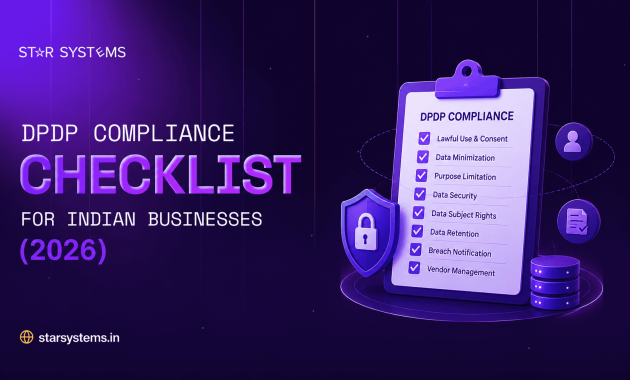
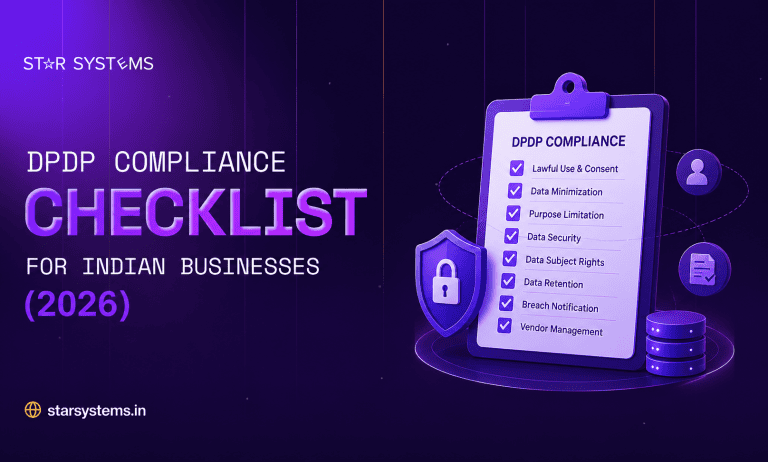
DPDP Compliance Checklist
1. Data Access Control
- Restrict sensitive customer files so only staff who genuinely need them for their current role can open them, instead of giving broad, default access to interns, managers, and support teams who rarely touch that data.
- Turn on two-factor authentication (MFA) for every single login across email, databases, and cloud tools, so a stolen password alone is never enough for an outsider to break into your systems.
- Immediately revoke system access, email accounts, and database logins the moment an employee or vendor leaves, since forgotten accounts are one of the most common ways old data gets exposed.
- Review staff permissions on a regular schedule and remove access rights that have quietly piled up over time, especially for employees who changed roles but kept their old system privileges.
2. Data Encryption
- Encrypt customer data while it travels across networks, emails, and internal file transfers, so anyone intercepting it along the way sees nothing but unreadable, scrambled information they cannot use.
- Encrypt data at rest on servers, laptops, backup drives, and cloud storage, not just while it’s being sent, so information sitting idle is never left exposed in plain, readable form to attackers.
- Make sure every stolen or lost device shows only scrambled, useless data to whoever finds it, turning a physical theft into a minor inconvenience instead of a full-blown, reportable data breach.
3. Data Discovery & Cleanup
- Locate scattered customer data hiding in personal Excel sheets, WhatsApp chats, desktop folders, and forgotten backup drives, because you can’t protect information you don’t even know exists.
- Delete old customer records that no longer serve any real business purpose, since holding onto outdated data forever only increases your risk without adding any real value to the company.
- Consolidate customer information into a smaller number of well-secured, monitored locations, rather than letting it spread across random personal drives and unmanaged cloud folders unchecked.
4. Device & Endpoint Security
- Secure every phone, tablet, and home laptop employees use for work, since remote and hybrid teams have turned personal devices into everyday gateways for accessing sensitive company data.
- Apply the same consistent security policies across all remote and office devices, so protection doesn’t quietly weaken just because someone is working from home instead of the office network.
- Treat every unmanaged, unregistered device connecting to company systems as a potential open door, and bring it under proper security controls before it can be used to access customer data.
5. Continuous Monitoring
- Deploy monitoring tools that watch network activity around the clock, so unusual behaviour gets noticed within minutes rather than being discovered weeks later during an audit or complaint.
- Flag unusual actions immediately, such as an unusually large file download at 2:00 AM or repeated failed login attempts, since these small signals often point to a bigger problem forming.
- Set systems to automatically block suspicious activity in real time, stopping a potential breach before it spreads, rather than only reacting after customer data has already been stolen.
6. Software & Server Maintenance
- Patch and update old servers that haven’t received a security update in years, since unpatched systems are one of the easiest and most common entry points hackers use to break into a network.
- Retire outdated systems and software that quietly create hidden vulnerabilities, replacing them with supported, actively maintained tools that receive regular security fixes and updates.
- Back up data automatically on a regular schedule, so nothing important is accidentally lost while you’re cleaning up old files, migrating systems, or fixing security gaps in your network.
7. Rights Request Readiness
- Build the ability to quickly and completely delete a customer’s data on request, covering not just your main database but every backup, spreadsheet, and shared folder it may still exist in.
- Make sure a customer’s data-update request reflects across every scattered file location it lives in, instead of only updating the main system while old copies remain outdated elsewhere unnoticed.
- Test your deletion and update process internally before a customer actually files a request, so you’re not scrambling to figure out where their data lives while a legal clock is ticking.
Common DPDP Mistakes to Avoid
- Many businesses assume one compliance software purchase solves everything.
- Software can’t protect data it cannot see across scattered files and devices.
- Fix the underlying IT mess first, then layer compliance tools on top.
Why Fixing Your IT Pays Off Beyond Compliance
Win Enterprise Clients: Large corporate clients increasingly vet vendors before signing contracts, and they prefer working with businesses that can prove their systems are locked down and audit-ready.
Lower Operating Costs: Deleting old, useless files and consolidating scattered data frees up server space, reduces storage costs, and makes your IT infrastructure easier and cheaper to maintain.
Protect Trade Secrets: The same security controls that protect customer data also shield your internal business plans, pricing, and client lists from competitors and opportunistic insiders.
Reduce Downtime Risk: A well-secured, monitored network is far less likely to suffer ransomware attacks or system failures, keeping your business running instead of stuck in recovery mode.
Build Customer Trust: Customers stay loyal to businesses that visibly take data protection seriously, especially now that data breaches regularly make headlines across every industry.
Simplify Future Audits: Clean, well-organized data and clear access records make regulatory audits and compliance reviews far faster, cheaper, and less stressful when they eventually happen.
How Star Systems Helps for DPDP Complaince
Star Systems offers DPDP Compliance Services and deals with practical solutions rather than mere paperwork. Rather than hiring someone to write a report about all that the DPDP Act requires you to do in terms of hiring engineers, we will solve your IT issues practically by ensuring the proper implementation of those requirements in the real world. We provide complete services for developing and managing a secure IT system for your organization, including network security, securing devices, access control, data encryption, cloud storage management, and backup systems.